How Many Carbs Can You Eat on Keto? (2026)
How many carbs on keto? Most people stay in ketosis at 20–50g net carbs a day. Here's the carb limit on keto and how to find your personal number.

Editorial Team · September 24, 2025 · 6 min read
Last updated June 4, 2026
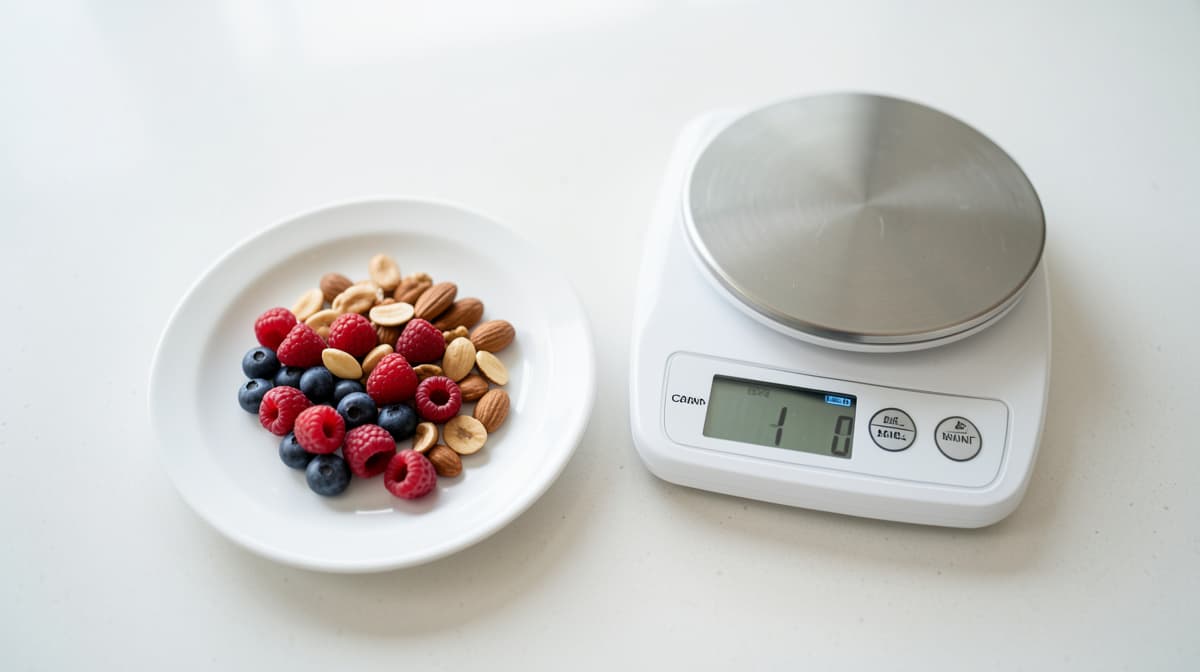
Most people stay in ketosis at 20–50g of net carbs per day, and a common starting target is 20–30g net carbs daily. Net carbs = total carbs − fiber − sugar alcohols. Your exact limit depends on your activity level, body size, and how easily your body enters and stays in ketosis. When in doubt, start lower and adjust up.
| Carb level (net g/day) | Diet type | Likely in ketosis? |
|---|---|---|
| Under 20g | Strict / clinical keto | Yes |
| 20–50g | Standard keto | Usually |
| 50–100g | Low-carb | Maybe |
| 100–150g | Moderate / reduced-carb | No |
How many carbs on keto?
The keto carb limit is best expressed as a range, not a single number. The widely used guideline is 20–50g of net carbs per day, with 20–30g being the safest starting point for reliably entering ketosis.
Why the range? Ketosis isn't a switch that flips at one universal threshold. An active 200-pound person who already exercises in a fasted state may stay in ketosis at 50g, while someone who is sedentary or insulin resistant might need to stay under 25g to see ketones rise. Both are doing keto correctly. The number that keeps you in ketosis is the one that matters.
If you're brand new to keto, anchor to 20–30g net carbs for the first few weeks. It's the most reliable way to become "fat-adapted." Once your body is consistently producing ketones, you can experiment with eating slightly more and watching whether you stay in ketosis.
For a full picture of how carbs fit alongside fat and protein, see our guide to keto macros.
Net carbs vs total carbs
This is the single most common point of confusion, and it changes your carb limit dramatically.
- Total carbs is the full carbohydrate number on a nutrition label, including fiber and sugar alcohols.
- Net carbs subtracts the carbs your body doesn't fully digest into glucose: Net carbs = Total carbs − Fiber − Sugar alcohols.
Fiber and most sugar alcohols pass through largely undigested, so they have little effect on blood sugar. That's why most keto dieters track net carbs: it lets you eat fiber-rich, nutrient-dense vegetables without blowing your budget. A cup of broccoli has about 6g total carbs but only ~3.6g net carbs once you subtract the fiber.
Some stricter or clinical keto protocols count total carbs instead, which is more conservative. Neither is wrong, but you have to pick one and be consistent, otherwise you can't tell whether 30g means 30g of net or total. For a deeper breakdown with worked examples, read what is net carbs.
This distinction is exactly why tracking by hand is error-prone. CarbMeNot calculates net carbs for you automatically by subtracting fiber and sugar alcohols, so the number you see is the number that actually counts against your limit.
Why 20–50g is the keto range
Ketosis is a metabolic state where your body, low on dietary glucose, switches to burning fat and producing ketones for fuel. To trigger it, you have to keep carbohydrate intake low enough that your liver depletes its glycogen and starts ramping up ketone production.
For most adults, that happens somewhere in the 20–50g net carb window:
- Under 20g almost guarantees ketosis for nearly everyone — this is the strict/clinical zone.
- 20–50g keeps the large majority of people in ketosis, which is why it's the standard recommendation.
- Above 50g you're in low-carb territory, where ketosis becomes hit-or-miss and depends heavily on your activity and metabolism.
Think of 20g as the floor that works for almost everyone and 50g as the ceiling where individual variation starts to decide the outcome. Your job is to find your personal cutoff inside that band.
What happens if you eat too many carbs?
Eat past your limit and the mechanism is straightforward: the extra carbohydrate raises blood glucose, which raises insulin, which tells your body to store and burn glucose instead of fat. Ketone production slows or stops, and you drop out of ketosis.
Practically, that can mean:
- A measurable drop in blood or breath ketones.
- A return of carb cravings and energy dips as your body re-adapts.
- Water retention — each gram of stored glycogen holds water, so the scale can jump a few pounds (this is water, not fat).
- For people doing keto for medical reasons, a loss of the therapeutic effect.
The good news: one high-carb meal isn't permanent. It typically takes one to a few days of returning to your low-carb target to get back into ketosis. The bigger risk is accidentally exceeding your limit every day from hidden carbs in sauces, "low-carb" snacks with maltitol, or oversized portions — which is precisely what consistent tracking prevents.
How to find your personal carb limit
- Start at 20–30g net carbs/day for two to three weeks to become fat-adapted. Don't experiment until ketosis is established.
- Confirm you're in ketosis. Use breath or blood ketone testing, or watch for reliable signs (reduced appetite, steady energy) over several days.
- Raise carbs gradually. Once stable, add ~5–10g net carbs per week from whole foods like an extra serving of low-carb vegetables or berries.
- Re-test. If you stay in ketosis, that's your new ceiling. If ketones drop, pull back to the last level that worked.
- Account for your context. More activity, more muscle mass, and better insulin sensitivity all push your personal limit higher; sedentary days and insulin resistance push it lower.
The whole process depends on accurate daily numbers. Use a keto macro calculator to set your starting carb, fat, and protein targets, then log what you eat. CarbMeNot does the running math for you — it tracks net carbs in real time and warns you before you blow past your limit, so finding your personal number is a matter of reading the data instead of guessing. Pair it with a keto food list so most of your meals stay comfortably under budget by default.
Never guess your carb count
Hitting a 20–50g net carb target by eyeballing labels is how people quietly fall out of ketosis without knowing why. CarbMeNot uses AI to identify your food, calculate net carbs (total carbs minus fiber and sugar alcohols), and track your daily limit automatically. Set your carb cap once and the app keeps you honest at every meal — no spreadsheets, no mental math, no nasty surprises on the ketone meter. Download CarbMeNot and stay in ketosis on purpose.
Key takeaways
- Most people stay in ketosis at 20–50g net carbs per day; 20–30g is the safest starting target.
- Net carbs = total carbs − fiber − sugar alcohols. Pick net or total carbs and stay consistent.
- 20g works for almost everyone; above 50g, ketosis depends on your activity and metabolism.
- Too many carbs raises insulin and stops ketone production, knocking you out of ketosis for one to several days.
- Find your personal limit by starting low, confirming ketosis, then raising carbs gradually and re-testing.
- CarbMeNot calculates net carbs automatically so you never accidentally exceed your limit.
Frequently asked questions
- How many carbs can you have on keto?
- Most people stay in ketosis at 20–50g of net carbs per day, and a common starting target is 20–30g net carbs. Your exact limit depends on activity level, body size, and how easily your body enters ketosis.
- Is it net carbs or total carbs on keto?
- Most keto dieters track net carbs (total carbs minus fiber and sugar alcohols), which lets you eat fiber-rich vegetables while staying in ketosis. Stricter approaches count total carbs, which is more conservative but harder to hit.
- What happens if you eat too many carbs on keto?
- Eating too many carbs raises insulin and blood glucose, which signals your body to stop burning fat for fuel. You leave ketosis, ketone levels drop, and it can take one to several days of low-carb eating to get back in.
- Can you have 50 carbs on keto?
- Yes, many people stay in ketosis at 50g of net carbs per day, especially if they're active or new to keto. Others, particularly those who are less active or insulin resistant, may need to stay closer to 20–30g.
Sources
Keep reading
Free tools: Is It Keto? checker · macro calculator · protein calculator · 7-day meal plan PDF