How to Track Macros: A Beginner's Guide (2026)
Learn how to track macros step by step: set your protein, carb, and fat targets, log food accurately, and stay consistent without weighing every bite.

Editorial Team · October 27, 2025 · 2 min read
Last updated July 2, 2026
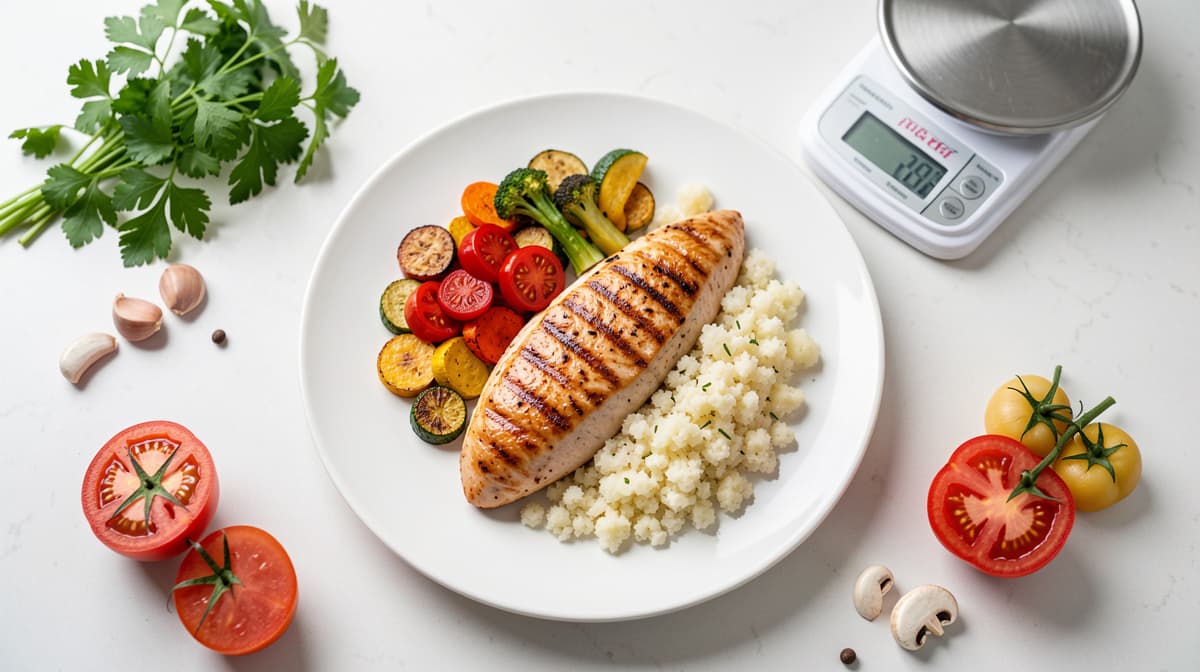
To track macros, set daily targets for protein, carbs, and fat, then log everything you eat against them. Do it consistently for a few weeks and you build an intuition that lasts. Here's how to start without burning out.
Step 1: Set your targets
Start with your daily calories, then split them:
- Protein: the priority. Aim for roughly 0.7–1g per pound of goal body weight.
- Carbs: set by your diet (keto ~20–30g net, low-carb ~50–100g).
- Fat: fills the rest of your calories.
Not sure of your numbers? Our free macro calculator gives you a personalized starting point in under a minute.
Step 2: Log everything for two weeks
Consistency beats precision at the start. Log every meal, even the rough ones. The goal isn't a perfect diet, it's an honest picture of what you actually eat. Most people are surprised by where their carbs hide (sauces, drinks, "healthy" snacks).
Step 3: Remove the friction
- Save favorites and meals so repeat foods are one tap.
- Scan barcodes for packaged items instead of searching.
- Snap a photo and let AI estimate the macros when there's no label.
- Pre-log your day in the morning if you already know what you'll eat.
Step 4: Adjust, don't obsess
After two weeks, compare your results to your goal. Not losing weight? Trim carbs or fat slightly. Always hungry? Add protein. Small adjustments every couple of weeks beat dramatic swings.
How accurate do you need to be?
You don't need to weigh every bite forever. Research on self-monitoring consistently finds that the act of tracking itself improves outcomes — a study summarized by the American Heart Association found people who kept food records lost roughly twice as much weight as those who didn't. Awareness, not perfection, is the point.
Key takeaways
- Protein first, then set carbs by your diet, then fat.
- Log consistently for two weeks before judging results.
- Use saved meals, barcodes, and photo logging to stay fast.
- Adjust every couple of weeks based on results and hunger.
CarbMeNot is built to remove that friction — AI photo logging, barcode scanning, and saved meals — so tracking macros feels like a habit instead of a chore.
Free tools to set your targets
Before you can track macros you need targets. These take under a minute each, free, no signup:
- Macro calculator — your full daily carbs, protein, fat, and calories for keto, low-carb, or balanced
- Protein calculator — just your protein number, by body weight and goal
- Is It Keto? checker — instant net-carb verdict for any food while you shop
- Food database — net carbs, protein, and fat for 3,500+ foods, per real serving sizes
Frequently asked questions
- How do I start tracking macros?
- Set your calorie and macro targets, then log every meal for two weeks to build an accurate picture of what you eat. Use saved meals, barcode scanning, and photo logging to keep it fast.
- What should my macros be?
- Prioritize protein at roughly 0.7–1g per pound of goal body weight, set carbs by your diet (keto ~20–30g net, low-carb ~50–100g), and fill the remaining calories with fat. A macro calculator gives a personalized starting point.
- Do I have to weigh all my food to track macros?
- Not forever. Weighing helps at the start, but once you've logged your common meals a few times you can estimate accurately. The goal is awareness, not perfection.
- How long should I track macros?
- Track consistently for at least two to four weeks to build the habit and learn your common foods. After that, many people track loosely or only when changing goals.
Sources
Keep reading
Free tools: Is It Keto? checker · macro calculator · protein calculator · 7-day meal plan PDF