Is Honey Keto-Friendly? (And What to Use Instead)
Is honey keto? No — one tablespoon has ~17g of carbs, almost all sugar. Here's why honey isn't keto-friendly and the best sweeteners to use instead.

Editorial Team · September 12, 2025 · 5 min read
Last updated May 27, 2026
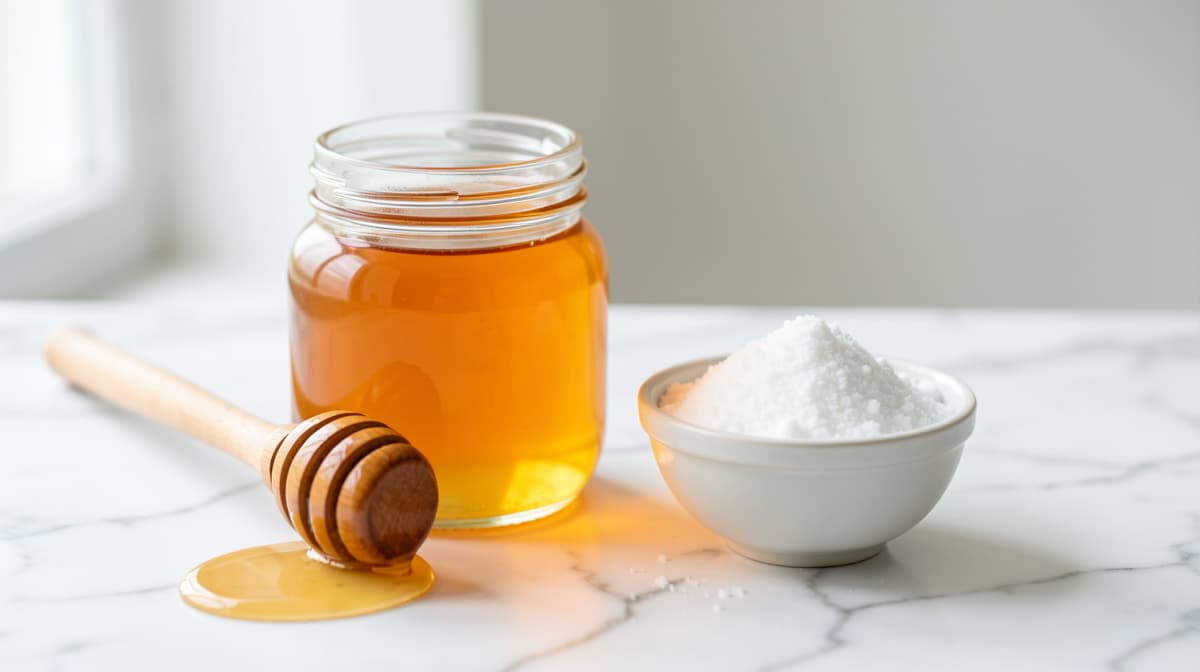
No — honey is not keto-friendly. One tablespoon of honey has about 17g of carbs, almost all of it sugar, which can use up most or all of a day's keto carb budget (typically 20–30g). A teaspoon occasionally may fit a more lenient low-carb plan, but for keto, zero-carb sweeteners are a far better choice.
Honey gets a "health halo" because it's natural and unrefined. But your body doesn't care whether sugar comes from a bee or a sugar cane — on keto, what matters is carbs and glycemic impact, and honey is high in both. Here's the breakdown, plus what to use instead.
Honey vs. keto sweetener carbs
| Sweetener | Carbs per tbsp | Keto-friendly? |
|---|---|---|
| Honey | ~17g | No |
| Maple syrup | ~13g | No |
| Agave nectar | ~16g | No |
| Erythritol | ~0g net | Yes |
| Monk fruit | ~0g | Yes |
| Stevia | ~0g | Yes |
| Allulose | ~0g net | Yes |
Is honey keto?
No. Honey is one of the most concentrated natural sugar sources you can put in your food, which makes it a poor fit for a ketogenic diet. To stay in ketosis, most people keep total carbs under 20–30g per day. A single tablespoon of honey lands at around 17g — so one drizzle can wipe out nearly an entire day's allowance before you've eaten any actual food.
"Raw," "organic," and "manuka" honey are no different here. They may carry trace nutrients and antioxidants that refined sugar lacks, but the carb count is essentially the same. Natural does not mean low-carb.
How many carbs are in honey?
Honey is about 82% sugar by weight, with almost no fiber, protein, or fat. That means its net carbs equal its total carbs — there's nothing to subtract. Here's how common servings stack up:
- 1 tablespoon (21g): ~17g carbs, ~64 calories
- 1 teaspoon (7g): ~5.7g carbs, ~21 calories
- 100g: ~82g carbs, ~304 calories
The sugar in honey is roughly an even split of fructose and glucose. Glucose raises blood sugar directly, and honey's glycemic index sits around 58 — high enough to cause a real spike. For comparison, that's not far below table sugar, which is part of why honey isn't the "free pass" it's often marketed as.
Why honey isn't keto
Two things knock honey off the keto list:
- High carb density. At ~17g per tablespoon, honey leaves almost no room for vegetables, nuts, dairy, or any other carb-containing food in your day. Ketosis depends on keeping total carbs very low, and honey makes that nearly impossible.
- High glycemic impact. Even setting the carb count aside, honey spikes blood glucose and insulin quickly. Insulin is the hormone that signals your body to store fat and stop burning it — the opposite of what ketosis is built to do. A blood sugar spike can stall fat-burning and pull you out of ketosis.
If you're new to counting the number that actually matters for ketosis, our guide to what is net carbs explains how to read a label and why honey's lack of fiber means every gram counts.
Keto-friendly alternatives to honey
The good news: you can get honey's sweetness — and even its sticky, pourable texture — without the carbs. Here are the best swaps.
Sugar-free honey substitutes. Several brands now make "keto honey" or sugar-free honey, usually built on allulose with a little monk fruit or stevia for sweetness. These mimic honey's viscosity and golden color closely, so they work as a 1:1 drizzle on yogurt, tea, or low-carb biscuits with near-zero net carbs. Always check the label — a few cheaper versions sneak in maltitol or other high-glycemic fillers.
Allulose. Allulose is a "rare sugar" that tastes and behaves almost exactly like real sugar — it pours, browns, and caramelizes — but is barely metabolized, so it contributes negligible net carbs. Allulose syrup is the closest texture match to honey for baking and glazes, which is why most sugar-free honey substitutes are based on it.
Monk fruit syrup. Monk fruit extract is intensely sweet with no glycemic impact. Monk fruit syrups (often blended with allulose for body) make an excellent honey stand-in for sweetening drinks, salad dressings, marinades, and sauces where you want liquid sweetness without the carbs.
Erythritol and stevia. For everyday sweetening, granulated erythritol (great for baking) and stevia (great in coffee and tea) round out the toolkit. They don't pour like honey, but they're cheap, widely available, and have near-zero net carbs.
Want the full ranking with glycemic notes and what to avoid? See our guide to the best keto sweeteners. And if you're rethinking honey because you wanted a "natural" sweet option, you might also like our list of keto-friendly fruits — berries deliver natural sweetness at a fraction of the carbs.
Catch hidden sugars before they add up
Honey is an obvious sugar, but it hides in plenty of places you wouldn't expect — honey-glazed nuts, "healthy" granola, salad dressings, BBQ sauce, and protein bars. CarbMeNot is an AI-powered iOS app that lets you snap a photo or scan a barcode, then instantly shows the real net carbs and flags added sugars like honey before they quietly blow your daily budget. Instead of doing label math in the grocery aisle, you'll see at a glance whether something fits your keto carb limit.
Key takeaways
- Honey is not keto-friendly. One tablespoon has ~17g of carbs — almost all sugar — which can use up an entire day's keto budget.
- Honey has essentially no fiber, so its net carbs equal its total carbs; there's nothing to subtract.
- "Raw," "organic," and "manuka" honey have the same carb count as regular honey — natural doesn't mean low-carb.
- Maple syrup (~13g) and agave (~16g) per tablespoon are no better; treat them the same as honey.
- Swap in sugar-free honey substitutes, allulose, monk fruit syrup, erythritol, or stevia — all near-zero net carbs.
- Let CarbMeNot catch hidden honey and added sugars so you always know your true net carbs.
Frequently asked questions
- Is honey keto?
- No, honey is not keto-friendly. One tablespoon has about 17g of carbs, almost entirely sugar, which can use up most or all of a typical 20–30g daily keto carb budget. Honey also has a high glycemic index, so it raises blood sugar quickly and can interrupt ketosis.
- How many carbs are in honey?
- One tablespoon of honey has roughly 17g of carbohydrate, nearly all of it sugar (a mix of fructose and glucose), and about 64 calories. A teaspoon has around 5.7g of carbs. Honey has essentially no fiber, so its net carbs equal its total carbs.
- Can you have a little honey on keto?
- On strict keto it's best to skip honey entirely, since even a teaspoon (~5.7g carbs) eats into a tight 20g daily budget. On a more lenient low-carb plan, a small amount may occasionally fit if you account for it — but a zero-carb keto sweetener is almost always the smarter swap.
- What can you use instead of honey on keto?
- Use a zero-carb sweetener: sugar-free honey substitutes (usually allulose-based), monk fruit syrup, allulose, erythritol, or stevia. Allulose-based syrups mimic honey's texture and browning best, while monk fruit and stevia are great for sweetening drinks and sauces.
Sources
Keep reading
Free tools: Is It Keto? checker · macro calculator · protein calculator · 7-day meal plan PDF